
frosted to clear glass
Introduction The Slow Closing Check Valve from Storaen (Cangzhou) International Trading Co. represents a significant advancement in fluid control technology. Designed to address common challenges in industrial and commercial applications, this valve combines innovative engineering with robust performance. This article explores the product's features, advantages, technical specifications, and real-world applications, while also highlighting the company's commitment to quality and innovation. Key Features of the Slow Closing Check Valve The Slow Closing Check Valve is engineered to deliver exceptional performance in demanding environments. Its core features include: Novel Structure: The valve's design minimizes turbulence, ensuring smooth fluid flow and reducing energy loss. Superior Sealing: Advanced sealing mechanisms prevent leaks, even under high-pressure conditions. Low Resistance: The optimized internal geometry allows for minimal flow resistance, enhancing system efficiency. Large Flow Capacity: The valve supports high flow rates, making it suitable for large-scale industrial applications. Extended Service Life: Durable materials and corrosion-resistant construction ensure long-term reliability. Adjustable Control: Users can fine-tune the valve's opening/closing speed to match specific operational requirements. Water Hammer Mitigation: The valve's slow-closing mechanism reduces the risk of pressure surges, protecting downstream equipment. Advantages Over Traditional Check Valves Compared to conventional check valves, the Slow Closing Check Valve offers several distinct advantages: Enhanced Safety: By controlling the rate at which the valve closes, it minimizes the risk of water hammer, a common cause of pipeline damage. Improved Efficiency: The low-resistance design reduces energy consumption, leading to cost savings over time. Customizable Performance: Adjustable settings allow the valve to adapt to varying flow conditions, ensuring optimal operation. Reduced Maintenance: The durable construction and reliable sealing reduce the frequency of repairs and replacements. Environmental Benefits: By preventing leaks and reducing energy waste, the valve contributes to sustainable operations. Technical Specifications Model Diameter (mm) Pressure Range (MPa) Material Flow Rate (m³/h) Adjustable Range 300X 50-300 0.1-1.6 Stainless Steel 100-500 0.5-5.0 seconds Applications in Industrial and Commercial Settings The Slow Closing Check Valve is versatile, with applications spanning multiple industries: Water Treatment: Prevents backflow and pressure surges in municipal water supply systems. Oil and Gas: Ensures safe and efficient flow control in pipelines and processing plants. Power Generation: Protects turbines and pumps from water hammer in cooling and boiler systems. Chemical Processing: Maintains precise flow control in corrosive environments. HVAC Systems: Enhances efficiency and longevity of heating and cooling systems. About Storaen (Cangzhou) International Trading Co. Storaen (Cangzhou) International Trading Co. is a leading supplier of industrial valves and fluid control solutions. With a focus on innovation and quality, the company serves clients across diverse sectors, including energy, manufacturing, and infrastructure. Their commitment to NIST standards ensures that their products meet rigorous performance and safety benchmarks. Industry Standards and Certifications Storaen's Slow Closing Check Valve adheres to international standards such as NIST guidelines for precision and reliability. These certifications guarantee that the product meets the highest levels of quality and performance, making it a trusted choice for global industries. Conclusion The Slow Closing Check Valve from Storaen (Cangzhou) International Trading Co. is a testament to advanced engineering and user-centric design. Its ability to combine precision, durability, and adaptability makes it an essential component in modern fluid control systems. By investing in this technology, industries can achieve safer, more efficient, and sustainable operations. References National Institute of Standards and Technology (NIST) . (n.d.). What We Do . Retrieved from https://www.nist.gov/
about
frosted to clear glass
Plain v. Block A Comparative Study In the dynamic world of design, architecture, and aesthetics, the terms plain and block can evoke contrasting images and feelings. While both concepts invoke a sense of structure, they imply varying methodologies and philosophies behind art, architecture, and even lifestyle choices. This article aims to delve into the differences between plain and block structures, their implications in design, and how they resonate in our daily lives. Understanding 'Plain' The term plain refers to simplicity, clarity, and minimalism. In architectural and design terms, a plain structure is often characterized by smooth lines, a lack of intricate detailing, and a focus on functionality over embellishment. The beauty of plain design lies in its ability to communicate elegance without excess, allowing the essence of the materials and the space itself to shine through. Plain design can be found in various styles, such as minimalist architecture, which emphasizes open spaces, natural light, and a subdued color palette. This design philosophy mirrors a contemporary lifestyle—a retreat from the chaos and clutter that often defines modern living. Rooms adorned with plain furnishings and decor can create a serene atmosphere, promoting a sense of peace and tranquility. Moreover, in the realm of graphic design, a plain layout can enhance readability and user experience. Websites and apps that prioritize plain aesthetics often achieve higher engagement rates, as users find them intuitive and easy to navigate. The cleanliness of plain design helps eliminate distractions, allowing the viewer to focus on the content itself. Exploring 'Block' In contrast, the concept of block embodies structure, solidity, and often, an element of boldness. Block design can refer to the use of large, geometric forms that suggest strength and stability. Think of the robust nature of a block building, which utilizes concrete and steel to create an imposing presence. This approach is frequently applied in urban architecture where durability is essential, and aesthetics are secondary to function. plain v block In design, block can also refer to specific patterns, such as a checkerboard or mosaic, which provide an eye-catching visual appeal. Block patterns can convey a sense of dynamism and rhythm, drawing the viewer's eye and eliciting emotional responses. This juxtaposition of colors and shapes often serves as a form of artistic expression, challenging the norms set by the plain aesthetic. Block design is prevalent in various forms of art, from abstract paintings to modern sculpture, where the principles of geometry and symmetry take center stage. The use of bold colors and stark contrasts can create powerful visual statements, capturing attention and invoking deeper conversations about form, space, and meaning. The Intersection of Plain and Block While plain and block seem to occupy opposing ends of the design spectrum, they often intersect to create a harmonious balance in various projects. For instance, modern homes often incorporate both plain and block elements—a sleek, minimalist façade complemented by bold, blocky features such as cantilevered balconies or geometric garden designs. Moreover, in graphic design, a block layout might use plain typography for readability, striking the right balance between visual intrigue and clear communication. This interplay ensures that while a design may be visually striking, it remains functional and user-friendly. Conclusion The dialogue between plain and block exemplifies the diversity of expression in design and architecture. Each has its strengths and weaknesses, conveying different messages and catering to different needs. While plain design offers simplicity and a retreat from chaos, block design provides structure and a call to attention. Understanding these two contrasting concepts allows designers, architects, and even individuals to make informed choices that enhance the aesthetics of their space and resonate with their personal styles. Ultimately, whether one prefers the calm of plain or the boldness of block, both can coexist and complement one another, creating environments that are both beautiful and functional.
-

High quality industrial productsagement

High quality industrial products
View Details -

Meet the diverse needs of customers

Meet the diverse needs of customers
View Details -

Strict quality control

Strict quality control
View Details -

Top raw materials

Top raw materials
View Details -

Trusted supplier

Trusted supplier
View Details
Our application
news and information
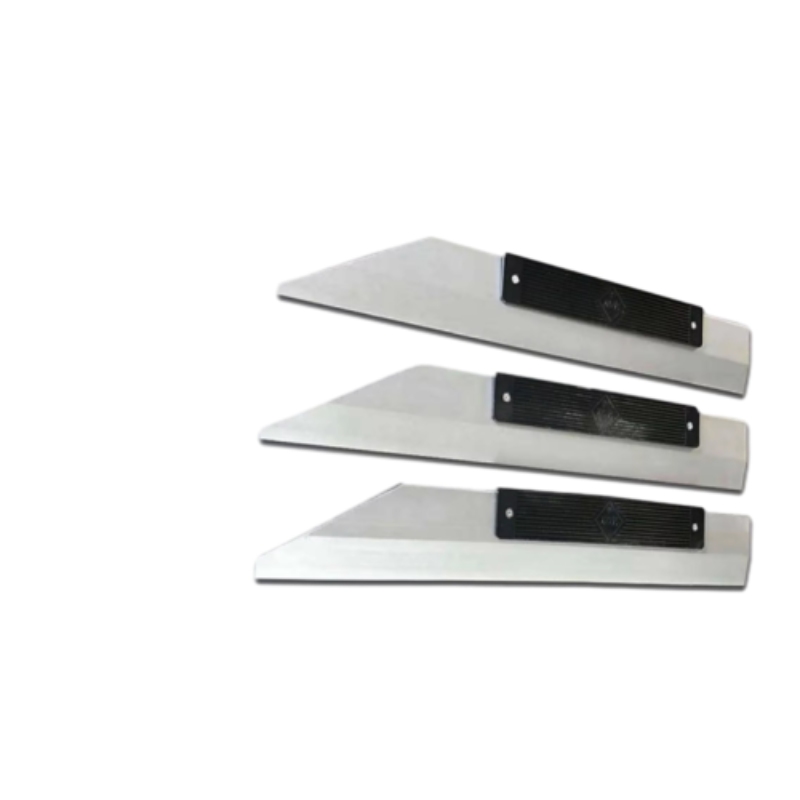
Versatile Metal Angle Ruler for Precision Measurements and Projects
The Versatility of the Metal Angle Ruler in Precision Measurement In the world of craftsmanship, eng
Welding Fabrication Techniques for Efficient Metalworking Projects
Understanding Welding Fabrication A Comprehensive Overview Welding fabrication is an essential part
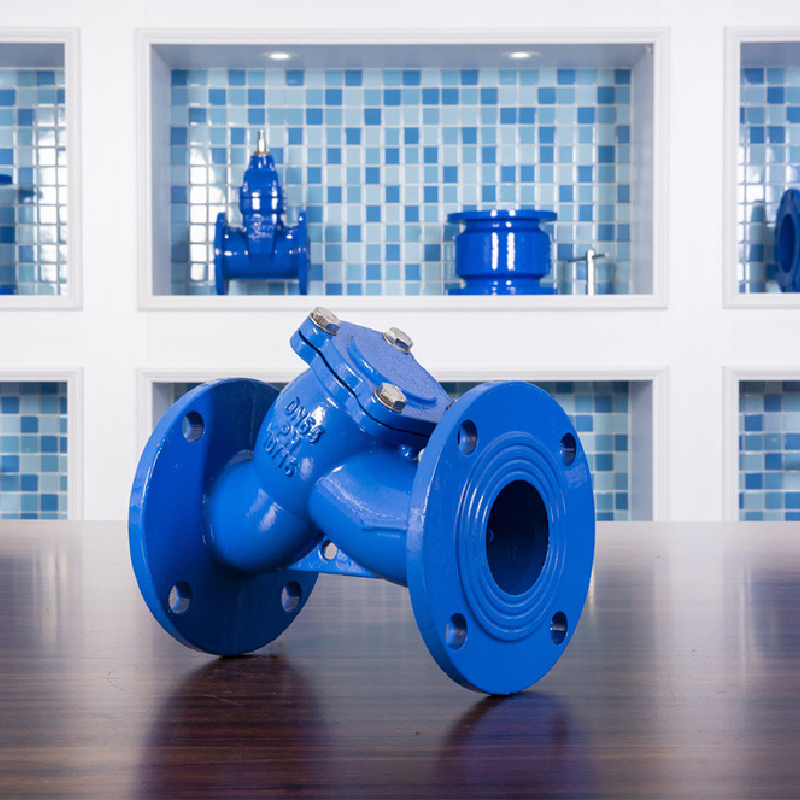
Y-Type Cast Iron Strainers for Efficient Fluid Filtration Solutions
Understanding Cast Iron Y-Type Strainers A Comprehensive Overview Strainers play an essential role i
 English